

Your Guide to Starting CBT With Us
You’ve already taken a big step
Reaching out for therapy takes courage, and you’ve already done it. We’re here to support you throughout your journey. This short guide will explain:
• What happens now
• How to get the most from your sessions
• What to do if things feel hard along the way
Keep it handy and look back at it whenever you need to.

What is CBT?
Cognitive Behavioural Therapy (CBT) is a practical talking therapy. It looks at how your thoughts, feelings and actions affect each other.
CBT focuses on what's happening in your life now, not on digging through the past. You and your Clinician break big problems into smaller parts, then try out new ways of thinking and doing, one step at a time.
Nita thought, "I'm not good enough to do my job", so she started avoiding meetings. She felt relieved at first, then out of the loop, and then even worse about herself. With her Clinician, she tried going to one meeting to see what happened, and started noting things she did well. Those two small steps helped her break the cycle and start to feel better.
Your sessions
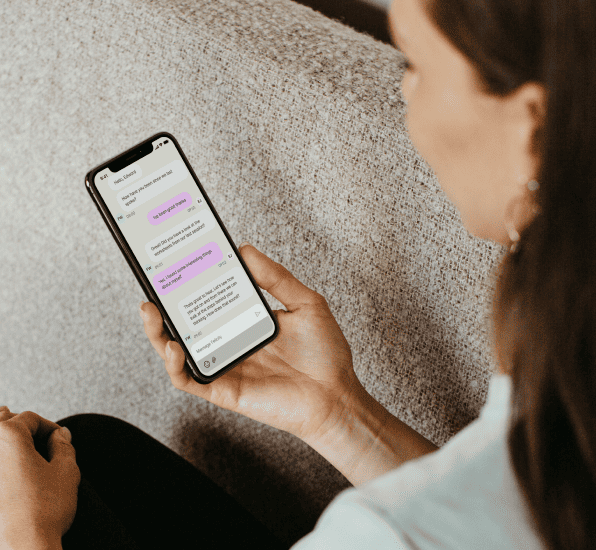
Your sessions are one-to-one with your Clinician, on your phone, tablet or computer. In your first session, your Clinician will get to know you and make sure that CBT is the right fit for you. In between your sessions, you can message your Clinician, and look back at your conversations at any time.
Every session has the same simple shape:
Check in
How your mood has been, any worries you may have had, and how your task from last time went.
Main focus
You agree what to work on together, often a new technique or activity, you don’t need to prepare for this, your Clinician will guide you through everything.
Plan your next step
You agree on a task to try before the next session, and tell your Clinician how the session felt.
How you'll make progress
1. Set your goal
Before your first session, think about what you'd like to be different by the end of therapy. Your Clinician will help you shape it, so it doesn't need to be perfect.
A few questions that might help you:
• What do I want to change, and why?
• How will I know it’s happened?
• What’s one small step towards it?
• By when?

2. Try your between-session task
Most of the change in CBT happens between sessions, when you try new things in real life. Tasks are usually small and practical. If you get stuck or don't manage it, that's useful to talk about. Bring it to your next session rather than skipping it.

3. Fill in your check-in questionnaires
Before each session you'll get a short set of questions, that usually takes about 5 minutes to answer. They show you and your Clinician whether things are improving, and help shape your next steps.
When things feel tough
It's very common to hit a wobble a few sessions in. The first relief of talking to someone may fade, the tasks can feel like effort, and you might not feel better yet. This doesn't mean therapy isn't working. It's often the point just before things start to shift. It’s important to remind yourself that you’ve made such an important step to support yourself.
If you're finding it hard, or thinking about stopping, please tell your Clinician. Together you can:
- Slow the pace or make tasks smaller
- Switch between typed and video sessions
- Look again at your goal
- Talk through anything about therapy that isn't working for you

Good to know
Life happens, we get it. If you can't make a session, use the link in your reminder text and message your Clinician to find a new time. Please give at least 48 hours' notice where you can. If more than one session is missed or cancelled at short notice, we may need to end your therapy, so do get in touch, even at the last minute.
Confidentiality
What you share stays between you and your Clinician, who may discuss your care with their Supervisor to make sure you get the best support. If we're seriously worried about your safety or someone else's, we may need to share information with other professionals, such as your GP. Where possible, your Clinician will talk to you first.
After therapy ends
CBT is short-term and aims to help you become your own therapist. When you finish, you can still log in to your Mindler therapy room to look back at your sessions, worksheets and messages for as long as you like, though you won't be able to message your Clinician. If you're still struggling after some time on your own, you're welcome to come back.